Sunday, December 25, 2005

from our hood to yours

Merry Christmas! Or as they say here, "Happy Christmas!"

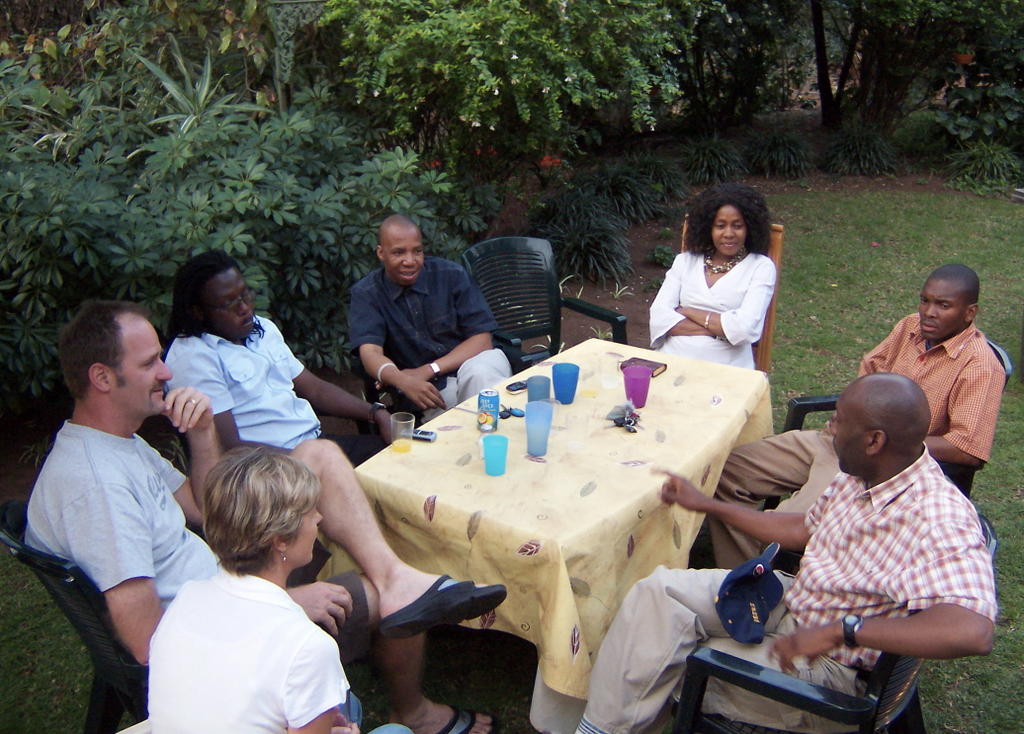
Christmas was different this year. We played Marco Polo in the pool under balmy African skies. We barbecued fish instead of cooking turkey. We spent it with our missions team instead of our extended family. And we went to Burgers Park (Pretoria's central park) to attend a Christmas program and to help serve food and pass out gifts to the poor and homeless. It wasn't your typical Christmas program or our typical Christmas experience.
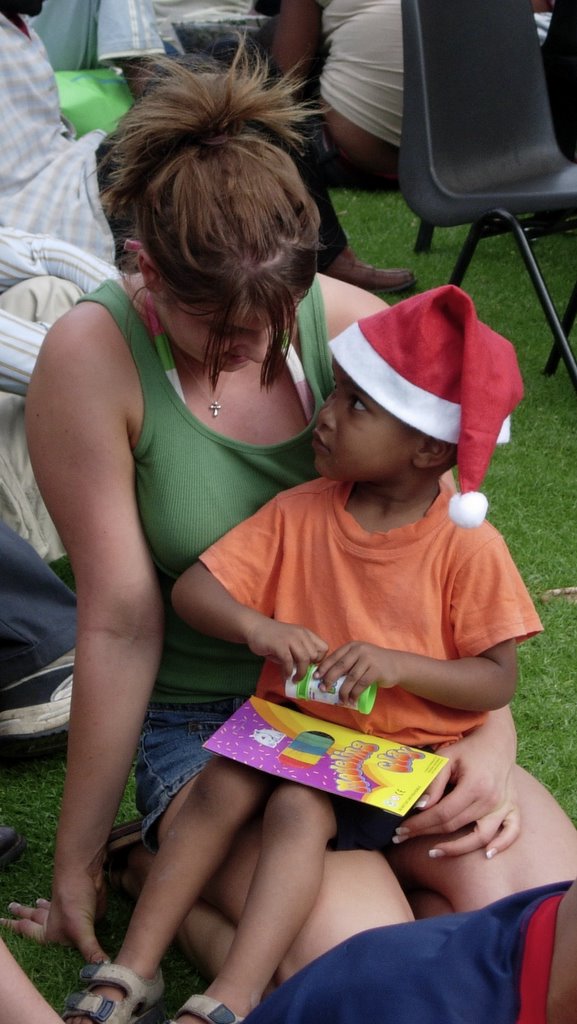
The program was what you might call "low budget." The singing was somewhat strained as people from multiple cultures were trying to understand what was going on, let alone understanding the words of the songs. The dramas were simple, sometimes corny, and the acting was marginal. The food and gift distribution was somewhat chaotic, but at least everyone got a hot meal and every kid under 12 got 1 gift. But you know what? There was joy. And there was dancing.

Strained. Simple. Chaotic. It's certainly not what we're used to. But as I sat in the park among a few hundred poor and homeless people, I wondered if we were experiencing a Christmas more like the Christmas Joseph and Mary experienced than the kind of Christmas we ever could attending a well-choreographed performance held in a climate-controlled and omfortable sanctuary. I'm not sure anyone really knew how the day would unfold out there under the clouds and trees in the park. But in the end, everyone got a gift. And that's Christmas.

May Christ touch your heart this Christmas.

Saturday, December 10, 2005

this ain't kansas anymore

A few nights ago Jonathan—our 18-year old—needed to go downtown to catch an all night bus ride out to the coast to work at a youth camp for inner city kids. Jonathan hadn’t driven in the city center yet, and he wanted the practice. (Driving in South Africa is not like driving back home. You drive on the opposite side of the road, the driver sits on the right side of the car, and you have to learn to shift with your left hand instead of your right. All that takes a little getting used to, not to mention learning to drive in a dense urban environment).

Anyway, driving into the inner city of Pretoria at night also has its own unique challenges…the central one being to avoid getting car-jacked. As we were wandering around downtown trying to find the drop off spot, I found myself coaching Jonathan how to drive downtown at night. Just little things, like easing off the accelerator long before you come to a red light so that you never actually come to a stop; rolling through stop signs if you see guys standing anywhere near the intersection; and not getting too close to the car in front of you to avoid getting wedged between 2 cars.
As I got back into the car after Jonathan jumped on the bus, it struck me how interesting it was that our whole conversation about driving in the inner city at night was so nonchalant. It was just so natural, so matter-of-fact. Neither of us thought it was odd or even troubling to be talking about car-jacking and how to reduce the risk. I guess there are some things you just get used to in a place like this…things you adjust to and learn to live with.

But there are other things I don’t know if I will ever get used to…or even if I should get used to them. Last week I was reading an article in the local newspaper about the epidemic levels of rape and abuse in the city. In 1 downtown middle school, 52 girls reported to have been either sexually abused or raped at sometime in their lives. 52 girls in just 1 school! What is going on?! How do you explain that?

Well, there are sociological reasons that attempt to explain it. For example, it is commonly believed in many parts of Africa that having sex with a virgin will cure AIDS, and the younger the girl, the more likely that she will be a virgin. That’s one huge factor. Pervasive substance abuse is another major contributor to abuse.

But I suspect the deeper reason has something to do with the bankruptcy of people’s souls—something old time theologians would have called “depravity.” I find myself wondering if there is some correlation between being deprived and becoming depraved. I wonder if people actually forget what it means to be truly human—human in the sense in which God intended—if they have been treated as less than human for so long. I suspect that when people have been deprived of love for a long time, they actually forget how to love, and then they end up acting with unimaginable cruelty. Maybe that’s what depravity is really all about—forgetting how to love, and maybe that’s really not so odd. Maybe what’s really odd is when we expect people to act so well when they have been loved so poorly.

I’m not sure if there is anything we can do down here that would be more powerful, more transformational, than just loving people well. Loving them selflessly. When Jonathan spends 10 days hanging with inner city kids at camp, he is loving people well. When Laurie sits and talks with teenage girls at a local “place of safety,” a boarding school for kids who have been removed from their parents, she is showing them how to love. When Brittney goes out to a nearby township to spend time with some teenage girls there, something no other white girls that we know of would do, she is showing courageous love.

I’m really proud of my family. They are making their lives count down here in a place that is very different from anything we’ve ever experienced. I’m also proud of Melissa, our 20-year old who is back in San Diego in her 3rd year of college. She is a psychology student, and each week she volunteers at a local elementary school to counsel kids who have been removed from their classrooms because of emotional and behavioral problems. Melissa is also doing her part to change our world…one act of love at a time.

May we learn how to love—really love—and may it become contagious.

Wednesday, October 26, 2005

living right side up

Most of the people I know have a pretty well-honed sense of what it takes to fit in. If they’re younger, they know what it takes to be cool. If they’re a little older, they know what it takes to be considered successful. Within the social circles we traffic, we know how to be polite. If we go to church, we know what it takes to be proper.

So what is the right way to live in a country that was built on 350 years of black servitude? What’s the proper thing to do when you are living among white neighbors who grew up under a regime that both created and religiously enforced the systematic separation of blacks and whites under a body of laws collectively know as Apartheid? ("Apartheid" is an Afrikaans word meaning “separation,” which defined the legal and social relationship between blacks and whites from 1948-1990).

For us the right thing to do is to live right side up in an upside down world. The right thing to do is to do the very thing most people won’t do.

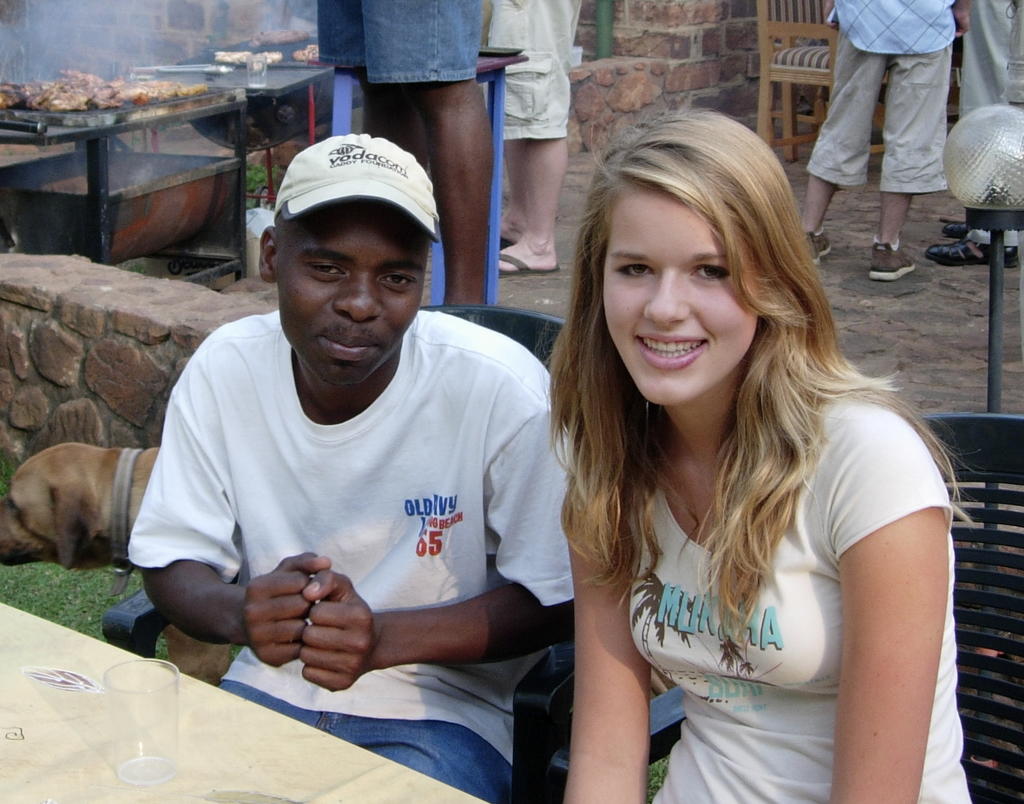
One of our favorite times of the week down here is Sunday afternoon. Each week we host a very culturally appropriate braai, (a South Africa BBQ), on our stoop and we invite all the folks we have befriended to join us. What makes it really fun though is that we draw a very culturally inappropriate crowd! There are poor blacks from the nearby township, upper middle class white students from the university, black children of domestic workers, white businessmen, Christian pastors and ancestor worshippers all sitting side-by-side.

Many of the people who come have never experienced an upside down gathering like this before, and you can bet our
neighbors haven’t ever seen a group like this gathered in their neighborhood! It’s just not the “right” thing to do.

But we just happen to think it gives our revolutionary God a great big smile. It gives us one too, so we’ll keep doing it. And in time we’ll see who else wants to live right side up in an upside down world.

Sunday, October 02, 2005

orienteering in the bush

Each year we take our missional community in South Africa out into the bush for an adventure in orienteering. We break them into teams, we give each team a compass and a set of coordinates to follow, and then we turn them loose to hunt for a series of markers and (hopefully) the spot where we will rendezvous for lunch. We haven't lost anybody yet out in the bush, but yeah, we definitely get lost! But that's part of the fun. And part of the learning.

The orienteering experience launches us into a 3-week learning focus we call LifeCompass. Building on the orienteering experience, we guide the community through an intensive self-discovery process in which we each create a new kind of map, a new kind of compass, and a destination worth giving our lives for.

The map is the story of our lives to this point. It's a personal timeline we each create in order to gain a better understanding of where we've come from and how God has been at work in us all along. It also reveals what may lie ahead. As we unpack our life journeys we gain a clearer sense of who we are, what we value, and what we have to offer. These learnings become our compass...a compass that keeps us on track and keeps us from drifting off in directions we were never meant to go. It keeps us focused on the destination we have been created to pursue.

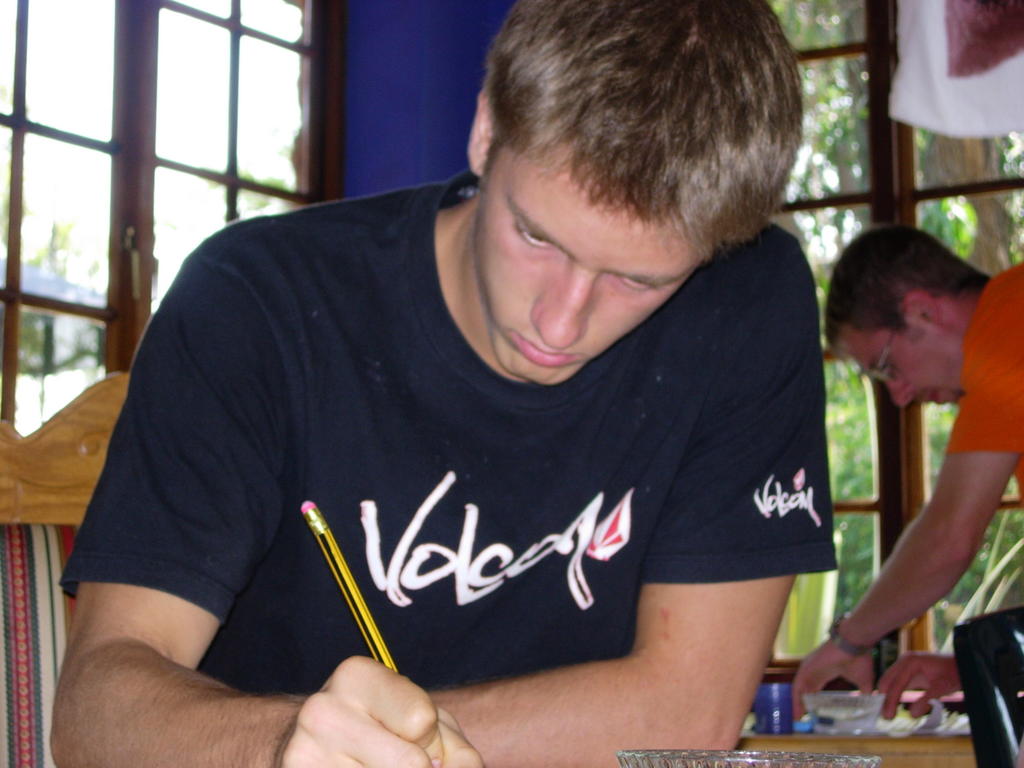
This past week we wrapped up our LifeCompass focus and we listened to each person in the community share their take-aways. It was an awesome and powerful experience. It was even more special this time around as Laurie, Brittney, and especially Jonathan (that's him in the photo) were able to join us throughout much of the process.

In another 6 weeks the participants who have joined us for this leg in their journey will be heading off in different directions. Some will be coming back to South Africa. One will be heading to Venezuela. Another to Dallas. A few will be traveling to Canada to explore a potential next step. But all will be leaving with a clearer sense of who they are and the destination they have been created for.

Saturday, September 10, 2005

into africa

It feels so good to be here! From the first day I began to architect NieuCommunities and help get it launched, I've wanted to live among the young leaders who are getting to experience what we designed. I've made lots and lots of trips to our sites over the past 4 years and I've had a taste of the adventure, but there's just no substitute for being here day in and day out.

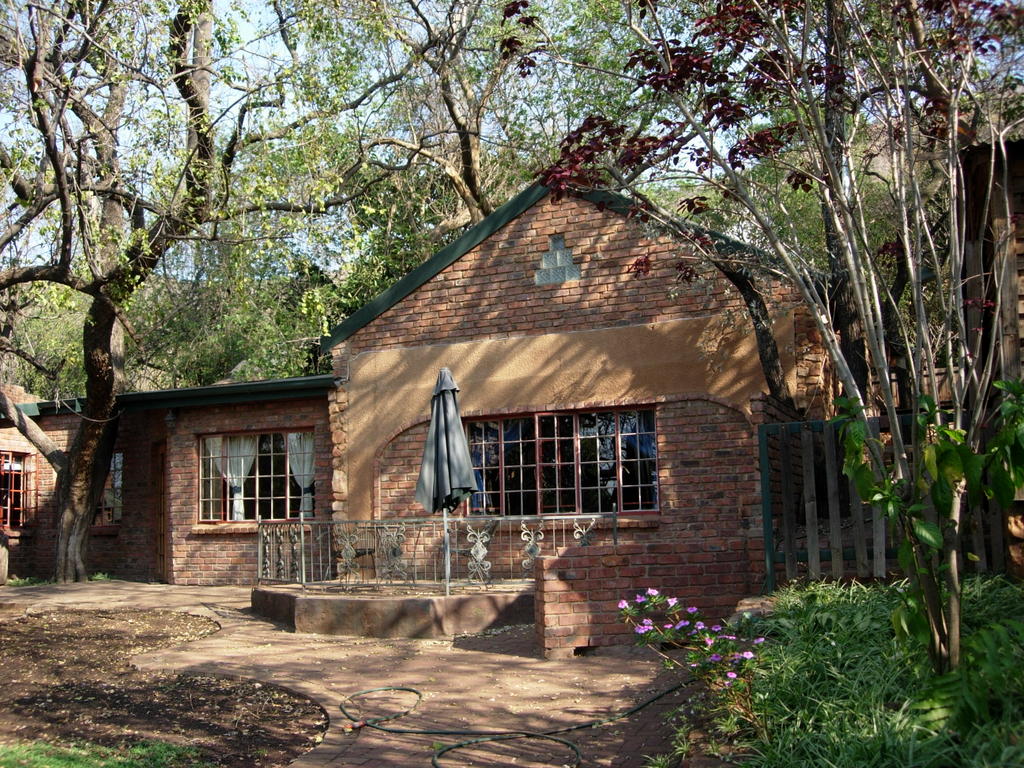
We've been having a blast settling into our little house on the Pangani property that also serves as the NieuCommunities Hub in South Africa. The team here had already done so much to fix up the house to have it ready for us...all we really needed to do was unpack our bags, move a few things around, and stock up the fridge and cupboards.

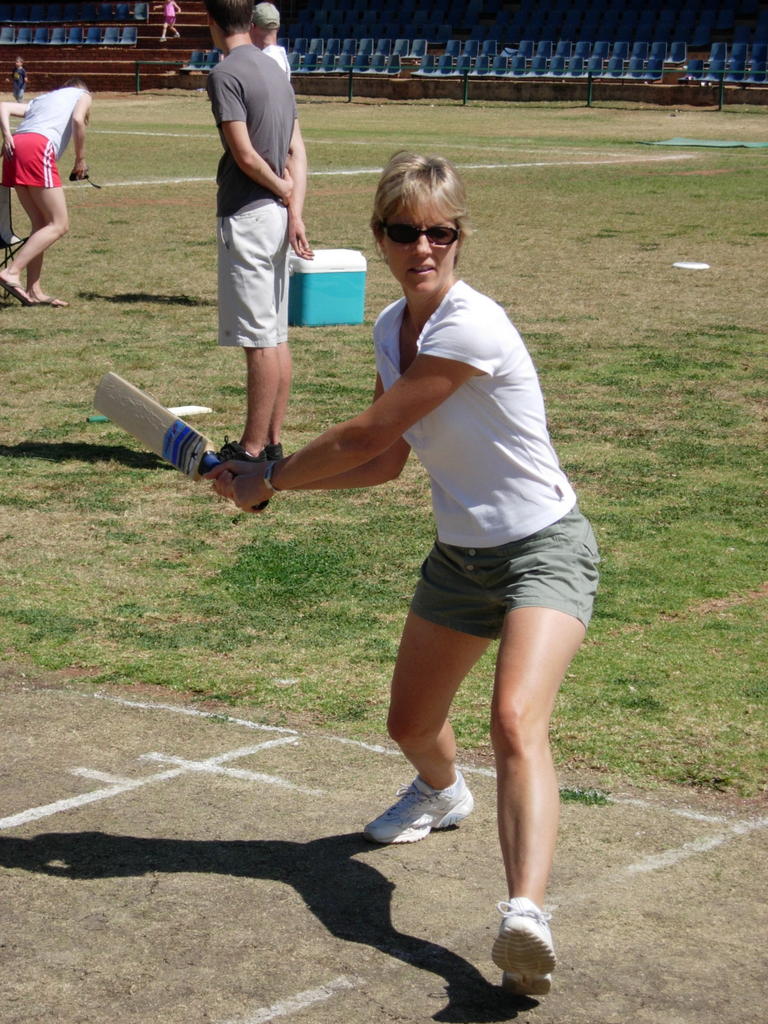
These first two weeks in Africa have been rich. First we were reunited with Jonathan who had already been here for over a month. I "guess" he was glad to see us...but he was sure having a lot of fun before we got here too and he was lovin' his independence! Then we were warmly welcomed by the whole community with a braai (South African BBQ) and a game of cricket...our first ever. (But take note of Laurie's natural swing).

We've been having a blast getting to know the whole NieuCommunities gang down here and having them all over for dinner at the clip of about one person every other night. We've loved hearing their stories and seeing what God has been doing in their lives. In just these first 2 weeks we have...
- participated in several rich times of worship and prayer with the community
- facilitated several training workshops
- attended a volleyball tournament to support one of our participants and the team he is playing with
- attended a very lively 3-hour church service in the black township of Soshanguve
- helped host a braai for our neighbors and another braai for a church group from the township of Soweto
- coached several staff and participants as they work on developing their "Life Compasses"
- planted grass in front of our house
- figured out where all the stores are
- eaten lots of good food
- enjoyed the company of an awesome group of young leaders!

I will use this blog page to capture our experiences this year and keep you up to date. So come back weekly and watch how the journey unfolds.

Email us and let us know how you are doing too. You can use the email function right from this web site. Just click on the little envelope icon at then end of this, or any article, and it'll take you right to an email screen. Looking forward to hearing from you!

Tuesday, July 19, 2005

on my nightstand

"The Story We Find Ourselves In," by Brian McLaren. I finally got around to reading this second book in Brian McLaren's narrative trilogy, and was fascinated and inspired by it. The book should come with this warning though: "If you are content with the theology you're used to hearing in most Christian churches, well, fasten your seat belt." From beginning to end, in very compelling story-telling fashion, McLaren will make you think again about the belief systems you've grown up with. If you haven't read the first book in the trilogy, "A New Kind of Christian," I recommend you start with that one. And if you're still with him after that, give this one a shot. You may not like it all, or agree with it all, (I didn't), but it will certainly cause you to stop and ponder what it really means to be a follower of Christ and a player in the story. If you'd like a little lighter, shorter, and less controversial look at the "story we find ourselves in," pick up John Eldridge's "Epic." I loved it. It covers similar ground, it is written to inspire, and it succeeds!

"The Disappearing Girl," by Dr. Lisa Machoian. If you have teenage girls, this book ought to be required reading! It will take you inside the world of teenage girls, inside their hearts, and inside their minds to give you a first-person glimpse of the challenges girls face every day growing up in this culture. Don't let the subtitle; "Learning the Language of Teenage Depression" scare you off. Your daughter may or may not be depressed. Machoian, who taught psychology at Harvard, unpacks the battles all girls face in our society, battles that will most likely result in some kind of depression if not won. She writes with a lot of hope and gives us parents great suggestions to help our girls navigate through those tough years. My girls are 15 and 19. I just wish I had read this book years ago.

"The History of South Africa," by Leonard Thompson. This sociological history written by Yale historian Thompson is one of the finest books ever written on the formation and evolution of the country we now call South Africa. For those of you who have read James Michener's outstanding historical novel, "The Covenant," but weren't sure how acurate it was, you'll be pleased to know that Michener did his homework. Thompson's scholalry work backs Michener's story telling throughout, and offers a solid and readable historical perspective for anyone visiting, living, or just interested in South Africa.

Wednesday, May 11, 2005

spirituality? really?

A recent UCLA national survey of more than 112,000 freshman entering 236 universities and colleges revealed some hard to reconcile findings. For example, 80% of the freshman surveyed claimed to have an interest in spirituality, but only 47% thought it was important to seek out opportunities to grow spiritually. 79% said they believed in God, but just 40% thought it was important to follow religious teaching in everyday life.

Huh? Is that really what it means to be spiritual? Is it enough to have thoughts about faith without any consequential response? Are these the responses of a truly spiritually minded generation? I don’t know. On one hand, I’m inclined to think the study more accurately portrays a large group of people who like the idea of being spiritual far more than they like the idea of actually pursuing spirituality. On the other hand, 47% and 40% respectively still represents a whole lot of people who seem to know that it takes personal engagement, and not just sentiment, to become truly spiritual. That’s encouraging.

I do believe this generation is more spiritually sensitive than mine. But it's not enough to be just sensitive. Sensitivity may help us become more tolerant, and perhaps even more curious. But true spirituality demands personal engagement...it demands a long obedience in the same direction. It costs us something. But it is oh so worth it.

Wednesday, December 15, 2004

words that freeze

I’ve begun to notice a bit of a trend as I interact with young leaders longing to live an unconventional Christian faith. It seems that some of the youngest and brightest are immobilized; unable or unwilling to move towards their dreams of creating new communities of faith. What’s derailing so many? The usual suspects are an intense desire to be "unique" and a ruthless commitment to be "organic".

What’s wrong with that?! Those sure sound like qualities worth fighting for. How can those desires leave visionaries sitting on the sidelines or on a barstool? Well, here’s my take:

When our dreams are driven by a desire to be unique, to be unlike anything else out there, we inevitably wake up to Solomon’s sobering words, “There is nothing new under the sun.” Dreams that are driven by a passion to be unique seem to lose their mystique the moment we discover that someone else is already doing something a lot, (or even a little), like what we wanted to do. And without the distinction of being wholly unique, dreams formed around that center are often abandoned before they are ever lived.

Now, most of us want to be unique at some level, and when we boldly exercise creativity we are reflecting the image of our Creator God. It’s inspiring to engage in the creative process, and I’d be the first to admit it feels good when people say things like, “NieuCommunities is so unique; it’s not like anything else I’ve ever seen; you guys are really thinking outside the lines.” That’s nice to hear, but the truth is we didn’t set out on this faith journey to be unique; we did it to be faithful. We began NieuCommunities because we believed God was calling us to do a very old thing once again. We were under orders. It didn’t have to be unique. It didn’t even have to be creative. But it did have to be attempted. And at the end of the day, faithfulness is what God requires of us, not uniqueness.

The other culprit I often see derailing dreamers is the commitment to be organic. Why would that trip people up? Isn’t being organic a good thing? You bet it is. The problem comes when being organic is unnecessarily juxtaposed against being intentional. It is falsely assumed that to be organic means you can’t be intentional. You can’t have design. You can’t have structure or systems. You can’t plan or set goals. You can only be spontaneous and just kind of ooze. That’s what is assumed to be natural and organic and therefore godly.

But one only needs to look at nature or their own bodies to see that there is nothing inherently contradictory between intelligent design and being fully organic. Life is made up of intricate, interactive, and completely natural systems. The challenge is not to abandon intentionality, but to be intentionally organic. To partner with God in ways that are consistent with the natural rhythms of life. In NieuCommunities we have intentionally designed our year to follow what we believe is the natural, organic rhythm leaders experience when attempting to live as “sent ones.” It’s a way to move forward intentiaonlly and organically. It’s certainly not the only way.

I had dinner the other night with a fascinating guy who was full of dreams. He has also been on the sidelines far too long, paralyzed by the need to be different (unique) and organic. I love the fact he wants to do something really radical. But his dreams—and ours—will remain nothing but dreams unless we faithfully and intentionally go for it…even if it’s been done before.

Monday, November 22, 2004

healing grace

I am reminded way too often that we, as a culture, are “thanks-challenged.” Instead of seeing the things all around us to be thankful for, we tend to notice all the things we wish were different. All the things we want. And all those “wants” and all those “wishes” can all too easily spiral into a black hole of greed. Greed always wants more. It's never enough. Acts of love and kindness don't seem to stick. What you do is never good enough. The greedy are never satisfied.

But thankfulness is like a wellspring. It gives life instead of demanding more out of life. Thankfulness contributes rather than criticizes. A child-like sense of unexpectedness pushes away that insatiable sense of entitlement. Thankfulness births generosity in our hearts, and generosity is like a healing balm rubbed onto every life it touches. A thankful, grateful heart is a whole heart.

To nurture healing grace in my own life, I want to take a few minutes to give thanks and to invite you to be thankful with me. And I hope, as you read these words, that thankfulness and generosity spring up in your heart and that it pours out on those all around you!

I’m thankful for…

> a wife who loves everyone around her
> three kids who are sometimes sprinting, and sometimes stumbling, but faithfully moving towards God
> family and friends whose incredible generosity allows us to stay on mission
> friends who give more than they take
> teammates who stand shoulder-to-shoulder with me
> the integrity in the lives of those who lead me
> the wholeness I see forming in the lives of those I lead
> the lessons I’ve learned in my failures
> neighbors who have opened their doors and their hearts
> an inviting B&B in Pretoria and the cozy 4-floor downtown apartment building in Glasgow to base our life-on-life ministry
> the expanding influence God is giving us
> books which open my mind and heart and take me to new places
> sports…especially those I can still play!
> music that lifts my spirit
> an intimate, loving, ever-present God
> the incarnation
> the courage I see in others
> acts of sacrifice
> hope
> you

How about you? What are you thankful for? Write it out. Say it out loud. Tell someone. Share the grace.

Wednesday, September 29, 2004

church as potluck

Wouldn't it be cool if all those who follow God in the way of Jesus viewed the church as a potluck rather than as a restaurant? At a potluck, everybody brings something to the table, and you never know which meals will carry the day. It's up for grabs...literally! Want a better potluck? Bring something better to the table. Want a tastier experience? Raise your own creative contribution bar. Got nothing to bring tonight? That's O.K. There will be plenty of people who've got you covered this week. Just try to bring something next week. A potluck is a collective experience and everybody gets a chance to enrich everybody else.

When the church operates metaphorically as a restaurant, it's a completely different social contract. People come not as contributors to the group experience, but as consumers of religious goods and services. We come and order our meal, and we expect it to be prepared really well and brought to us in a timely and attractive manner. If we like the service and the meal, we come back. Maybe we even leave a tithe...ahh...a tip. If we're not satisfied with the service or the meal, we might give it another shot or two, but we eventually just take our business elsewhere. I know that sounds kinda harsh, but isn't that pretty much what most of us do? And, to be fair, if a church sets itself up as a restaurant, shouldn't it expect that kind of behavior, however unfortunate, from its customers?

I wonder if the church as a restaurant perspective hasn't inadvertently fueled another curious metaphor. When dissatisfied people leave a church, it's often because they say they "weren't fed." (Now I'm guessing that 9 times out of 10 what we really mean when we say "I wasn't fed" is closer to "I wasn't satisfied"). But anyway, the "I wasn't fed" metaphor actually makes some sense if the social construct of the church resembles a restaurant and the staff don't bring anything to the table. But that metaphor would never fly in the church as a potluck for at least 3 reasons: 1) There are all kinds of foods all around you...something is surely edible; 2) It's your responsibility to grab something and eat it...nobody will feed you; and 3) Presumably you brought something to the table, so at least there's that much to eat.

Now, I've been to tasty potlucks and to pretty lame potlucks, (too many of the later, actually), so changing the social construct of the church is not enough. At the end of the day it comes down to each one of us choosing whether or not we will bring our best. When we do, everybody eats well. When we don't, well, it's our fault, nobody else's. But wouldn't it be so cool if our response to a weak potluck was a personal and family resolve to bring something better to the table the next time around? To bing something that we put our hearts into? Somehow that seems more like what Jesus had in mind for us rather just heading out to a restaurant to pay someone to feed us.

For a very stimulating take on a potluck-like church, check out Doug Pagitt's book, "Reimagining Spiritual Formation."

Wednesday, September 22, 2004

authentically dangerous

Hi, I’m Rob, and I’m a Boomer. At least that’s the camp my birth certificate squarely puts me in. I don’t actually think or live a whole lot like most boomers, but I certainly “get” them. We’re performance-oriented. Often pretentious. Even narcissistic. Of course, we’d prefer to think that we’re just hard working and committed to doing whatever we can to make this world a better place to live.

We’ve been labeled the “me” generation because we’ve pillaged the world to indulge ourselves with material pleasures. O.K., guilty as charged.

But there seems to be a new indulgence in our emerging culture that may be just as destructive as any material indulgence of my generation. It’s a verbal indulgence that seems to spring out of our new blue chip value - authenticity.

Now, I’m a huge fan of authenticity, especially given the alternative—pretentiousness. We encourage those we are leading to live out a raw spirituality. By that we mean a humble, Spirit-yielded, unrehearsed life. Unfortunately, “unrehearsed” all too often gets interpreted as “unbridled,” and life suddenly gets real painful for everybody else!

If authenticity becomes a license to verbalize whatever is in our hearts, then we may be perilously close to using authenticity as a facade for a new kind of self-indulgence. A verbal indulgence. In real life, it’s not always O.K. to say something just because I feel like it. It’s not all about me. In fact, it’s about others.

Being authentically honest means I’m honest with my brokenness. Authenticity is almost always confessional, not accusatory. It means I confess that at times I’m a loaded weapon…I’m wounded and I can be dangerous. But being authentic doesn’t mean I always have to take the safety off and pull the trigger. And it never means I should shoot with the intent to harm. If authenticity requires us to pull the trigger and discharge whatever is in our hearts, then I’d choose hypocrisy!

I value authenticity. But I value love even more.

(See chapter 4 in McManus’ “Uprising” for more on authenticity and integrity)

Wednesday, July 14, 2004

on my nightstand

Several friends have recently asked me what I’ve been reading. Well, besides the "Da Vinci Code," (see my last posting), here’s some of the best stuff I’ve read in the last few months:

"Blue Like Jazz," by Don Miller. Miller is thought provoking and hilarious all at the same time. He writes about faith, doubt, and a postmodern’s struggle to find a real Christianity that really fits. He’s a wonderful storyteller whose insights are often profound and sometimes troubling.

"The Five Dysfunctions of Team," by Patrick Lencioni. This terrific little book is one of the best books I’ve ever read on teambuilding. It’s written as a marketplace allegory, but it’s application goes way beyond the marketplace. Lencioni takes a handful of fairly simple leadership concepts and skillfully organizes them into a powerful paradigm. This is very helpful stuff for anybody building any kind of team.

"Everybody's Normal Till You Get To Know Them," by John Ortberg. This is an outstanding book on relationships. Ortberg passes along a bunch of really helpful insights for all of us who still have some jagged edges left in our personalities and are doing our best to have community with other jagged edged people.

"Uprising: A Revolution of the Soul," and "An Unstoppable Force: Daring to Become the Chruch God Had in Mind," both by Erwin McManus, are excellent reads. If your heart is restless for something deeper, and if you long to become the kind of person whose life is full and infectious, then consider giving "Uprising" a serious look. And if you want to have your understanding of the Church challenged and stretched, then check out "An Unstoppable Force" and pray hard about helping to shape something special. I think McManus is one of the best thinkers/practitioners around.

Enjoy, but don’t expect any of these books to put you to sleep!

Wednesday, July 07, 2004

the da vinci code

With all the buzz surrounding The Da Vinci Code, (not to mention the fact it’s been the #1 bestseller forever), I finally borrowed a copy of the book and gave it a shot. I knew the book had messed with a lot of people’s faith, and I wanted to see what everyone was talking about it.

I’ll tell you what, I couldn’t put it down. If you like conspiratorial, sleuth-type books, then you’ll find it a really fun read. Without giving away too much, The Da Vinci Code is a story about uncovering the “truth” about Christ, the history of the Christian church, and the Holy Grail.

I was fascinated by Brown’s analysis of historical symbolism and religious icons. Oliver Stone couldn’t have woven together so many disconnected and disputed tidbits into a more stimulating story! I was even fascinated by the way he so smoothly turned history completely upside down by presenting the early Christians as a powerful business and political juggernaut whom Emperor Constantine had to appease in order to hang onto his empire, rather than as the small fringe minority that they were who had to meet in caves and homes in order to avoid persecution by the Roman Empire. I wasn’t sure if Brown actually believed what he was writing, or if he just needed to rewrite history for the sake of his story. Either way, he sure can spin a great story.

If you’re one of those people who read the book and found yourself asking, "Is this really true?", or, if you’d just like a better understanding of what early Christianity was really like and how the Bible was really put together, then check out some of the articles posted at http://www.christianitytoday.com/history/special/davincicode.html. I thought the "Breaking The Da Vinci Code" article was particularly insightful and helpful.

You know, to be honest, as I was reading The Da Vinci Code, I found myself asking God to give me an appetite to consume his Word that was way bigger than the appetite I had to finish the fictional story I found myself going to sleep to. That’s not a bad prayer...for me, or for anyone wishing to live well in the real word.

conflict and community

Somewhere along the way, probably in a college literature class, (if you stayed awake long enough!), you learned about the essential elements of story. It seems every great story has the same four elements: setting, conflict, climax, and resolution. And for some reason, our hearts and minds respond to this same formula over and over again.

Your story, my story, every story takes place somewhere. In a house, in a neighborhood, in an office, or in a family, and the setting usually includes other people. Which is probably why the second element—conflict—is ever present. Something breaks. Someone breaks someone else. Loneliness, pride, tension, anger, fighting, self-absorption abound. It’s inevitable. If you want to write a novel that sells, you’ve got to have conflict.

Our hearts identify with conflict and they long for resolution. We want things made right. We want to live in peace with each other and in peace with our own souls. But sitting right there between conflict and resolution is the fourth element that all good stories have, and it’s the element that trips us up the most.

Climax is that point of decision that determines the end of the story. It’s the moment of time when our hearts must choose, and the choices we make result in a good or bad resolution. Climax is our response to conflict and our pathway to resolution.

Why is the Bible such a great story? Because it offers humanity a staggering resolution to the pervasive conflict we are tangled in, and because it places us in the same place as all those who have gone before us—at the climactic moment—when our choices determine how our story ends.

The story of NieuCommunities is still being written. But the elements of a great story are already present. We are now into our third year and we have already seen every member of every NieuCommunities group so far experience the four elements of story.

Each community starts in a setting usually rich with adventure, hope, and idealism. But it doesn’t take long before conflict seeps in and begins to rule the day. The little nuances we overlooked in the beginning now drive us nuts. We’re surprised when our “honesty” actually wounds or offends people. We’re frustrated when people don’t “get us.” We’re taken aback when people don’t actually want to hear everything on our minds. And we flat out become weary of trying to keep up the protective barriers we’ve spent a lifetime honing to perfection.

But sooner or later every one of us must choose what we will do with the conflict all around us. Will I settle for the status quo? Will I just tolerate people and ride it out? Will I withdraw? Or will I lean in and embrace? Will I love? Will I choose to be there for others in the climactic moment of their story?

The resolution of each life and each community hinges on these weighty decisions. And while we can certainly influence the outcome of each story, we simply can’t script it. It’s up to every player in every cast to determine the resolution of their story.

For now, I can only say that I am really proud of the choices our sojourners have made. They have fought well and loved hard. And the resolutions to the stories we have seen have been sweet in almost every case.

And if there is anything we have learned so far as we write this NieuCommunities story, it’s that community with one another is only sustainable when it flows out of individual communion with God. None of us really has the ability to do life together or love each other well unless we are each doing life with God and experiencing his tender love for us. At the end of the day, it’s God’s overflowing love for us that will spill over and splash onto those around us. When we are overwhelmed with his gracious, embracing love for us, we are able to move beyond the conflicts we experience and press through to sweet resolution.

Thank you for being such a significant part of this story and for sharing in this journey. Would you continue to pray that God’s love would abound in our communities and that the choices of our hearts would be the choices God would be delighted with? Thanks!!!